The Role of the Data Champion Webinar

On the 8th of December we relaunched our Privacy Pulse webinar series and the verdict’s in! With around 60 people in attendance, it was a resounding success – if we do say so ourselves!

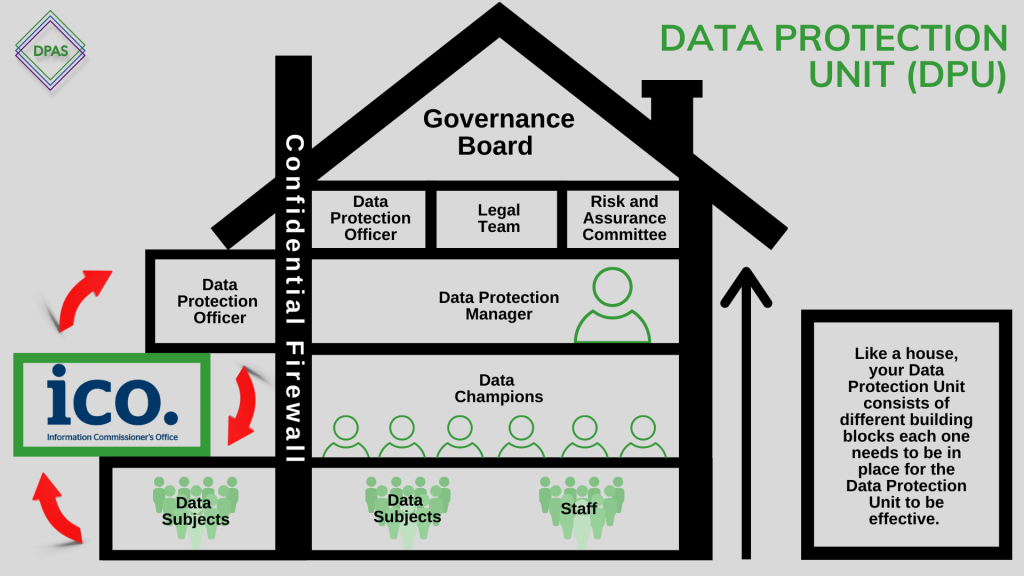
Led by our founder Nigel Gooding and supported (and occasionally upstaged!) by our wonderful guest hosts; Barry Moult, Natalie Bennett and Staci Dorey. We provided comprehensive insight into the data champions role, the benefits they bring to the organisations who utilise them, and even addressed common concerns, such as why data champions do not diminish from the role of DPO’s. We couldn’t have said it any better than Staci herself, “It doesn’t matter if I am an expert on data protection, if everyone else in my organisation knows nothing!”.

We’d just like to take a moment to thank each and every person who not only attended, but enthusiastically engaged with us throughout. In particular we’d like to acknowledge Staci Dorey, who took time out of her busy schedule as Head of Legal & Governance (and Monitoring Officer – blimey!) at Torridge District Council, to come and speak with you all.

Far be it for us to drop all of our pearls of wisdom now, If you’re feeling left out (and you should be) fear not! We will be holding our next Privacy Pulse Webinar in the near future, this time focusing on Data Sharing in the Public Sector, so keep your eyes peeled!

If you missed the webinar, catch up on our YouTube channel.

If this has inspired you and you want to learn more, we hold regular training sessions for Data Champions; dates and registration available here. Alternatively, you can check our schedule for all our webinars.

If you’d like to get in touch with the team, you can use our contact form or call us on 0203 3013384.

related posts

Alex Haslam

DPAS Data Protection Bulletin – July 2026

Welcome back to our monthly DPAS bulletin, where we cover the latest data protection news and developments from around the world.

Ever wondered how a routine government spreadsheet leak turns into a two-year covert court order? How about why the police might feel your mother-in-law’s contact details were key to national security? Have you ever pondered how many working weeks it takes to read a cookie banner? Whether Wall Street knows about your last GP visit? Or if you’re in Australia (g’day) why an AI is sending notes on your worst rashes to faraway cloud servers?

Read about all this and more in our latest DPAS Data Protection Bulletin.

Read More »
Alex Haslam

Root Cause Analysis: A Practical Guide

A practical guide to data breach reporting under UK GDPR, covering when you must notify the ICO, how to report a breach (and what to do if you don’t need to), and when affected individuals need to be told. Includes the key steps, timeframes, and documentation requirements to keep your organisation compliant.

Read More »
Alex Haslam

How to Report a Data Breach: A Practical Guide

A practical guide to data breach reporting under UK GDPR, covering when you must notify the ICO, how to report a breach (and what to do if you don’t need to), and when affected individuals need to be told. Includes the key steps, timeframes, and documentation requirements to keep your organisation compliant.

Read More »
Jack Penaligon

How to Respond to a Data Breach: A Practical Guide

This blog provides an overview of the practical steps organisations can take to reduce the impact of a data breach once it has been identified. It focuses on the actions that should be taken during the early stages of an incident to contain the breach, protect affected individuals, and meet regulatory requirements.

The article discusses a range of mitigation measures, including contacting unintended recipients of personal data, securing the deletion or recovery of exposed information, isolating compromised systems, and maintaining clear records of actions taken. It also explores the challenges posed by both digital and physical data breaches, highlighting the importance of balancing operational needs with data protection obligations.

Finally, the blog emphasises the value of preparation, explaining how established procedures, communication templates, and predefined response plans can help organisations respond more effectively and demonstrate accountability during a regulatory investigation.

Read More »

Get a Free Consultation