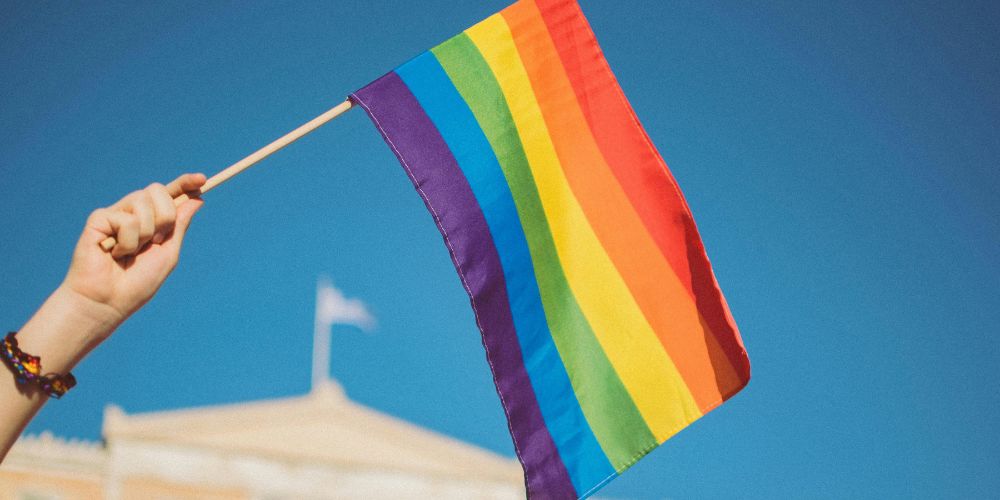
Not only is it important to safeguard data, but it’s crucial to understand exactly why you’re doing it. Today, we want to highlight a significant example of how vital data protection is for people’s wellbeing, and how your efforts are having a bigger positive impact on the world than you might imagine. In light of it being LGBTQ+ History Month, we wanted to bring attention to some struggles and hardships the community faces (of which we’re sure you’re all aware) and how protecting everybody’s fundamental right to privacy can help LGBTQ+ individuals. You’re not only protecting privacy, you’re protecting lives.
Privacy is a human right
The right to privacy is enshrined in various international human rights frameworks, such as Article 8 of the European Convention on Human Rights, which provides for respect for private and family life – and this encompasses the protection of personal data. For LGBTQ+ individuals whose personal data may include details about sexual orientation and gender identity, this protection is vital. This information is sensitive, and for it to fall into the wrong hands could be putting the data subject in danger.
This information needs higher levels of protection
Members of the LGBTQ+ community often face discrimination, stigmatisation, and even violence based on their sexual orientation or gender identity. Unauthorised disclosure of such sensitive information can lead to severe consequences, including loss of employment, estrangement from family and friends, and even physical harm. A report by the Future of Privacy Forum highlights that processing data about an individual’s sexual orientation and gender identity carries unique risks, which emphasises the need for heightened protections.
In regions where LGBTQ+ identities are criminalised or socially ostracised, the unauthorised exposure of an individual’s sexual orientation or gender identity can result in legal penalties or social persecution. It’s because of this that data protection serves as a shield of sorts against such vulnerabilities. With this protection, people in the LGBTQ+ community can feel more free and safe to live their lives the way they want to without fear of facing such horrible consequences and injustices.

Impact of data breaches on the LGBTQ+ community
Data breaches pose significant threats to all, but the LGBTQ+ community is particularly vulnerable. Due to the particularly sensitive nature of their personal information, data breaches can often have more of a devastating impact on these individuals.
For instance, in 2024, users of the dating app Feeld – which caters to individuals interested in alternative relationships – were put at risk when security vulnerabilities potentially exposed sensitive data, including private messages and photos. Such breaches could lead to ‘outing’ individuals (revealing their sexual orientation against their wishes), resulting in personal repercussions.
There have also been instances where private medical records of transgender individuals have been accessed and misused by officials to further anti-trans agendas. In the U.S., conservative officials have utilised private medical records in their anti-trans initiatives, significantly violating patients’ confidentiality. These breaches not only compromise individual privacy but also fuel discrimination and stigmatisation.
Protecting against these risks
To avoid these dangers and protect LGBTQ+ individuals’ data (and lives), it’s imperative to implement robust data protection measures. Personal data must be collected, stored, and processed securely, with strict access controls and security measures. Regular security assessments and prompt responses to identified vulnerabilities are also crucial. Alongside this, training to help individuals within an organisation understand the ‘why’ behind data protection is imperative, as it means that there is a human element added, as opposed to being ‘more paperwork’.
Empowering your team’s capabilities with knowledge and tools to protect their personal information (through data protection training) is also an absolute must. Using secure communication platforms, being cautious about the information shared online, and staying informed about privacy rights can help individuals safeguard their data. All of these efforts combined are how we do our bit, and can lead to a safer world for all.