Bag the bargains, but Skip the Spam
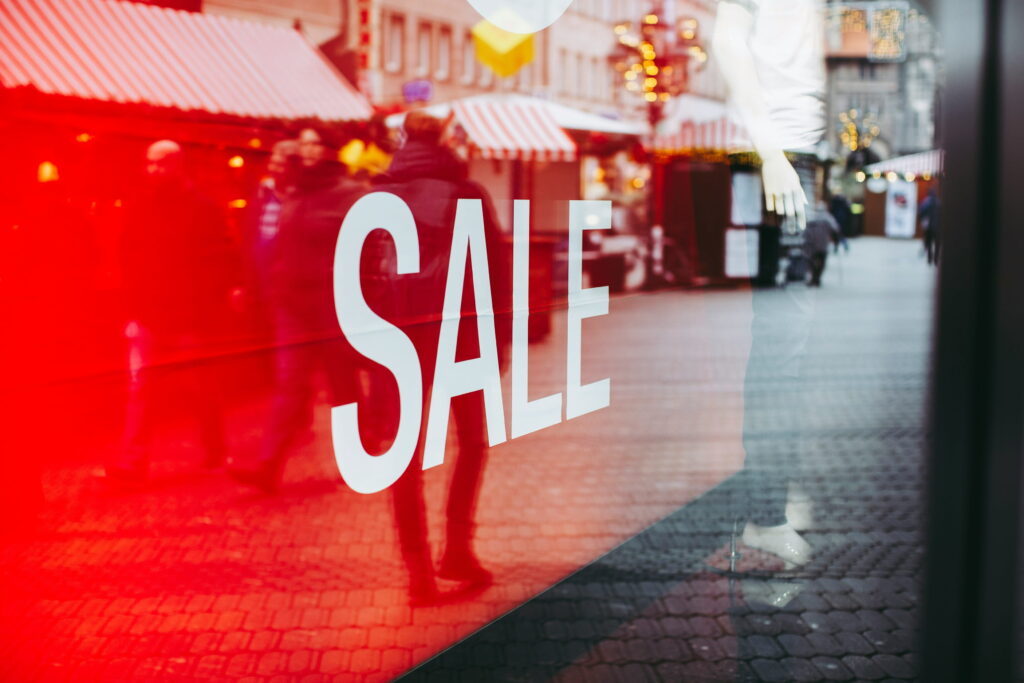
January sales are a great opportunity to save money, but they can also come at a hidden cost – your personal data. From discount codes and flash sales to loyalty schemes and marketing sign-ups, retailers often collect far more information than consumers realise. While the savings may feel worthwhile, it’s important to understand how your data is being used, shared, and stored. Being aware of data privacy risks during sales can help you protect your personal information and make informed choices when shopping online or in-store.
When the sales hit, inboxes are flooded with promotional emails and websites are inundated with sign-up boxes. Before you click “accept all” (and we’ve all been there!) or hand over your email address for 10% off, here are a few important data privacy considerations to keep in mind.
You Don’t Need to Sign Up to Every Discount
That 10% off can be very tempting to grab a bargain, particularly as pockets are squeezed following Christmas, but not every discount is worth receiving countless more marketing emails. Ask yourself:
- Do I actually want marketing emails from this brand?
- Is this a one-off purchase, or will I shop here again?
- Is the discount worth sharing my personal data for?
It’s also important to remember, if you do decide you do want that discount, you can ask to be removed from marketing mailing lists straight away!
Watch the Small Print
January sales are a prime time for rushed decisions, however it is important before you hand your personal data over that you read the retailer’s Privacy Notice. In addition to this, many sign-ups bundle marketing consent with other uses, including quietly pre-ticking boxes for third-party data sharing.
Make sure you take a second to:
- Read the available information
- Untick pre-selected boxes
- Check whether your data will be shared with ‘partners’ or ‘third parties’
- Look for clear explanations of how long your data will be kept
Remember, Loyalty Schemes Aren’t Always Free
Loyalty cards and rewards apps can be great, but they can come with detailed tracking of your shopping habits. Over time, these profiles can reveal a lot about you! If you are signing up, it is reasonable to ask/check:
- What data is being collected?
- Is it being used just for reward collection, or is this also being used for targeted marketing?
- Can you easily opt-out later?
If the answers aren’t clear, it is probably worth skipping that sign up.
Beware of Fakes Sales and Phishing
Scammers are also too aware of the impact January Sales can have. Fake websites with fake sales and dodgy looking emails and ads are all too common. These are designed to scam you, and collect your data. Remember the saying, “if it’s too good to be true, then it probably is”. Stick to:
- Well known/trusted retailers
- Official websites (make sure to check the URL for “HTTPS”)
- Emails you were expecting
Don’t let the pressure of a ticking clock for a discount code rush you into entering personal information, especially payment details.
Clean Up After the Sales
Once the sales are over and everything goes back to normal, it’s a good time to have a digital tidy up. Ensure you:
- Unsubscribe from emails you don’t want
- Delete accounts you only created for a discount
- Review app permissions on your phone
A Final Thought
January is about fresh starts, not fresh spam. Enjoy the sales and grab the bargains, just be careful about who you give your personal data to. Being mindful now can save you a headache further down the line.