
Launching a new tool, investing in a new platform, or introducing a new process – these are common activities for the vast majority of organisations. They are usually pored over by the project manager and their team, particularly in terms of cost, functionality, and delivery dates.
But there’s one aspect that can get left to the last minute:
The project’s data protection implications.
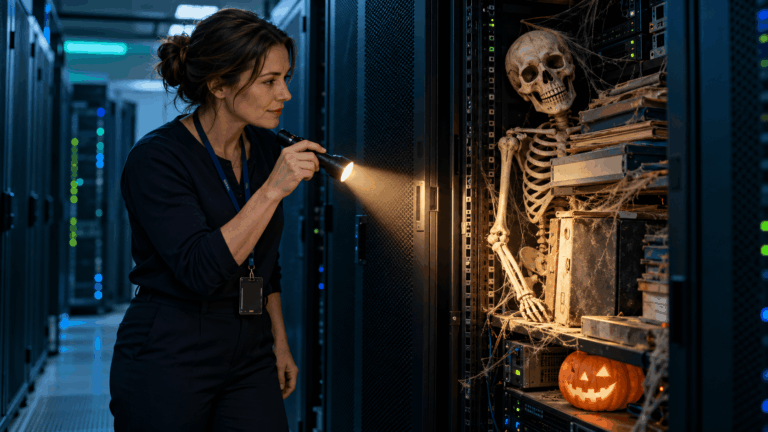
Rather than being an after-thought, it’s critical to carry out early screenings in order to determine if a DPIA is needed. Failure to do so could mean making changes later on that tie up resources – and might be incredibly complex.
What is a DPIA, and when might you need one?
A DPIA – Data Protection Impact Assessment – is, as the name suggests, carried out to determine the impact of a certain data processing activity on individuals’ rights and freedoms. However, there’s a difference between an initial screening and a full assessment.
The screening process establishes if a full assessment is required – and this is based on a key UK GDPR article: a DPIA is required where processing is likely to result in a high risk to individuals’ rights and freedoms.
The ICO identifies certain types of processing that require particular attention, including large-scale processing of sensitive personal data, systematic and extensive profiling that may significantly affect individuals, and large-scale monitoring of publicly accessible areas.
Other activities, such as introducing innovative technologies or combining datasets, may also indicate a need for closer assessment.
However, there is no one-size-fits-all answer.
When deciding whether or not a DPIA is needed, organisations should consider the nature, scope, context and purposes of the processing: what personal data will be used and how; how much data and how many people are involved; the circumstances and expectations of those affected; and why the data is being processed. These factors help determine whether the project could pose a high risk and whether a full DPIA is necessary.
Read the ICO’s guidance on when a DPIA is required.
Five every-day projects that deserve a closer look
Here are five types of project that may well need to be screened, with a view to potentially undertaking a full DPIA. However, even though they may raise valid concerns, a full DPIA might not always be warranted.
Screening for DPIAs – example 1: Introducing employee monitoring
A tool intended to improve productivity or security could also reveal detailed information about employees’ behaviour.
Screening questions
- What exactly is being monitored – keystrokes, activity, location, communications or performance?
- Is monitoring necessary and proportionate to the stated purpose?
- How many employees are affected, and how will the information be used?
Who should be involved?
HR, IT/security, the project owner, employee representatives where appropriate, and the DPO or privacy lead.
What evidence is required?
Supplier documentation, proposed monitoring settings, purpose and lawful-basis rationale, retention periods, privacy notices and access arrangements.
For more on this, read: ICO guidance on monitoring workers.
Screening for DPIAs – example 2: Buying an AI recruitment tool
An AI recruitment tool might rank candidates, screen applications – or infer characteristics that influence recruitment decisions.
Screening questions
- Does the tool score, rank or reject applicants automatically?
- What candidate data is used, and is any sensitive information involved in the process?
- Can the organisation explain and challenge the system’s outputs?
- What role, if any, does a human have in decisions?
Who should be involved?
Recruitment/HR, procurement, IT, the vendor, the DPO or privacy lead, and AI governance services or legal specialists where relevant.
What evidence is required?
Evidence might include: Vendor documentation, data flows, intended-use description, testing and bias assessments, decision-making arrangements, contract terms and information about any model training using candidate data.
Screening for DPIAs – example 3: Launching a customer profiling initiative
Such an initiative might combine customer records to predict preferences or behaviour and therefore may create unexpected insights – and affect how people are treated.
Screening questions
- Which datasets will be combined, and were they collected for compatible purposes?
- Will profiles influence pricing, eligibility, offers or access to services?
- Could people be unfairly excluded or might incorrect assumptions be made about them?
Who should be involved?
Marketing, analytics/data science, product owners, IT, the DPO or privacy lead, and legal or compliance teams – as needed.
What evidence is required?
Necessary evidence might include: Data inventory, profiling logic, proposed outputs, privacy notices, lawful-basis assessment, retention arrangements and controls for access, correction or objection where applicable.
Screening for DPIAs – example 4: Installing a new surveillance system
With such a system installed, cameras may capture employees, visitors or members of the public. Features such as facial recognition or large-scale monitoring can raise additional concerns.
Screening questions
- What is the specific purpose, and could it be achieved in a less intrusive way?
- Which areas will be recorded, and who might be captured?
- Will the system use audio, analytics or biometric identification?
- How long will footage be retained and who can access it?
Who should be involved?
Facilities/security, IT, site managers, procurement, the DPO or privacy lead, and affected stakeholders where appropriate.
What evidence is required?
You may need to collect: camera plans and fields of view, equipment specifications, retention settings, access controls, signage and privacy information, plus the rationale for necessity and proportionality.
Screening for DPIAs – example 5: Introducing a health-data platform
Note that health information is regarded as ‘special-category’ data. The scale of processing, sensitivity of records, access arrangements and potential consequences of a breach all warrant careful consideration.
Screening questions
- What health data will be collected, and for what purposes?
- How many people are affected, and is data being linked across systems?
- Who can access the records, and how will inappropriate access be prevented?
- Will information be shared with suppliers or transferred internationally?
Who should be involved?
The introduction of such a platform is likely to need input from: Clinical or service leads, information governance, IT/security, procurement, the DPO or privacy lead, and relevant health professionals.
What evidence is required?
Data-flow maps, system architecture, supplier contracts, security assessments, access and audit controls, retention policies, data-sharing arrangements and the relevant lawful basis and special-category condition.
DPIA checklist for screening
Before you buy, build or launch, ask:
- What personal data will the project collect, use, combine or share?
- Who will be affected, and how many people are involved?
- Does the project involve sensitive data, vulnerable people, monitoring, profiling, automated decisions or new technology?
- Could the processing affect people’s rights, opportunities, privacy or access to services?
- Is the processing necessary and proportionate to the intended purpose?
- Have the DPO, privacy lead and relevant project stakeholders been consulted?
- Have the data flows, supplier details, security controls and intended uses been documented?
- Has the organisation recorded whether a full DPIA is needed and why?
What happens next?
If a full DPIA is needed
In cases where a DPIA check has been completed and a full DPIA is required, describe how personal data will be used, why it is necessary and who will have access to it. Assess potential risks to individuals, such as privacy breaches or discrimination, and identify safeguards to reduce those risks. Record the findings and actions needed before the project begins. If high risks remain that cannot be mitigated (for example, based on advice from your DPO or an external data protection specialist), prior consultation with the ICO may be required.
If a full DPIA is not needed
If you conclude that a full DPIA is not required, document why the DPIA check/screening assessment indicates that a full DPIA is unnecessary, including key factors and any relevant advice from the DPO or privacy lead. Revisit the decision if the project changes significantly, as new data, technologies or purposes could introduce additional risks.
The value of early data protection consultancy advice
While it’s true that an early DPIA check screens for potential data protection concerns, you don’t have to resolve every question alone. Involving your DPO or privacy lead at the planning stage can help ensure risks are considered before decisions are made, contracts are signed – or systems go live.
Where a project involves potentially high risks to individuals, complex processing, new technologies or uncertainty about appropriate safeguards, additional specialist support may prove invaluable.
An external data protection consultant can provide an independent perspective, help assess risks, recommend proportionate safeguards and support the completion of a Data Protection Impact Assessment (DPIA) where required. For projects involving AI, specialist AI governance support can also help organisations consider wider questions around accountability, oversight, risk management and the responsible use of AI.
The key is to involve the right expertise early. Where screening indicates that processing is likely to result in a high risk to individuals, a DPIA may be required before processing begins. Seeking advice early can help teams identify issues, reduce the likelihood of costly changes later and make better-informed decisions.
Get in touch today!
If you’re planning a new project, introducing AI or reviewing an existing system, DPAS can provide data protection consultancy and AI governance support to help you understand your responsibilities and take a considered approach to risk.