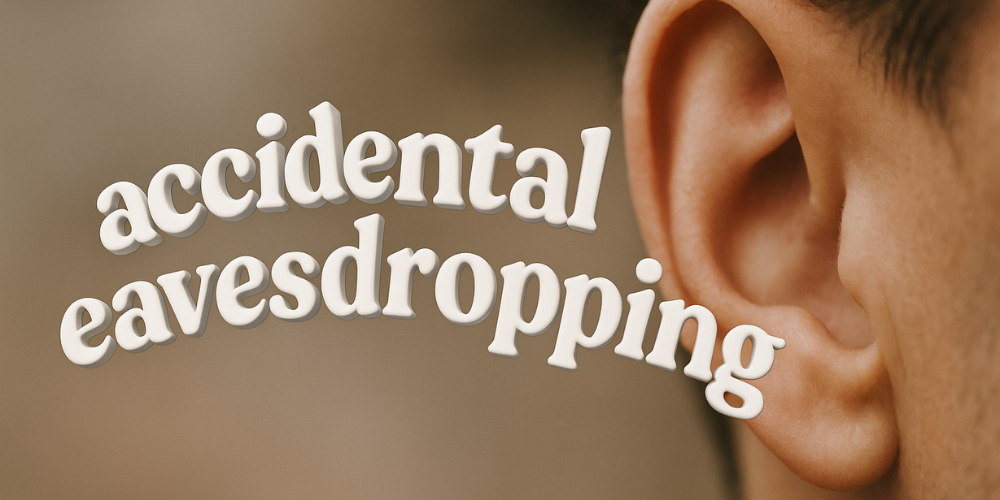
I was standing in line at the pharmacy the other day, feet aching, bored out of my mind, eyes darting around the room in search of something interesting to read on the walls as I waited. You know how it goes. With so much time spent standing in place inside an almost silent room with nothing to keep yourself occupied, your ears start naturally tuning into strangers’ conversations, and whether you want to or not, you hear every word. And in the pharmacy, where personal topics like prescriptions and medical conditions are a likely subject of discussion, it feels wrong to be within earshot.
Exchanging data for prescriptions
As I’m sure you’re aware, the standard practice for picking up a prescription is you:
- Give the full name of whoever the prescription is for
- Confirm the home address associated with the prescription
- Pay for the prescription if necessary
…and sometimes…
- Help the staff member locate the prescription by revealing what it is
And it occurred to me that, especially after working in a data protection consultancy for a few years, I suddenly felt rather uncomfortable in this situation. I was hearing random strangers, mostly elderly customers, declare their full name, their spouse’s full name (if picking up their prescription too), their home address, and sometimes, what prescriptions they were taking, and what for. All fairly harmless details, sure, but it’s still more of a window into these people’s lives than anybody in the surrounding area was owed through physical proximity alone. And I feel a similar way when it’s my turn to confirm my home address. I don’t necessarily believe that the frail old man behind me is going to nose in on where I live and burgle me while I sleep, but I don’t feel comfortable regardless.
Where else does this apply?
It was being in the pharmacy that prompted this realisation for me, but this sort of thing can apply to all sorts of different scenarios. When you’re giving out your email address at the shop so you can be sent an email receipt, for example. Or if a business needs your phone number to contact you about an ongoing service, so you give it at the counter. There’s something that feels a little funny about giving these details out verbally, where the people around you can overhear. I’d much rather fill in a little form, or send these details digitally.

Does this actually cause any problems?
Now, is this really an issue? Not particularly. I’m not trying to suggest anything sinister is ever going to happen when you give out this data in public, nor do I believe that any of the strangers around you would even remember the details they overheard, if they were even paying attention to begin with. I know that I can’t remember any of the names or addresses I accidentally heard, either.
I just wanted to share these thoughts, as not only did they seem relevant to the line of work I’m in, but I’m curious about whether anybody else has ever felt a little strange about being in this position. Because at the end of the day, I’m fairly confident that a random old woman wouldn’t be comfortable with me knowing her home address, medical conditions, husband’s name and age, and medications. So why is it okay for me to know those things (even if quickly forgotten) due to overhearing them in a pharmacy?
Keep your data close to your chest
If there has to be a moral to every story, then I suppose the message of this one would be to always be mindful of who might overhear your details. You don’t know who’s going to be behind you in that queue at the pharmacy. It would be a little overly paranoid to cynically assume everyone is out to get you, hungry for your information, frantically scribbling down your address as you tell it to the person behind the counter. However… be cautious nonetheless.
Remember to keep your voice down a little when giving this information, instead of declaring your house number and street name to the entire room. These are the kinds of details that you wouldn’t be overly happy for strangers to know. So why should they?