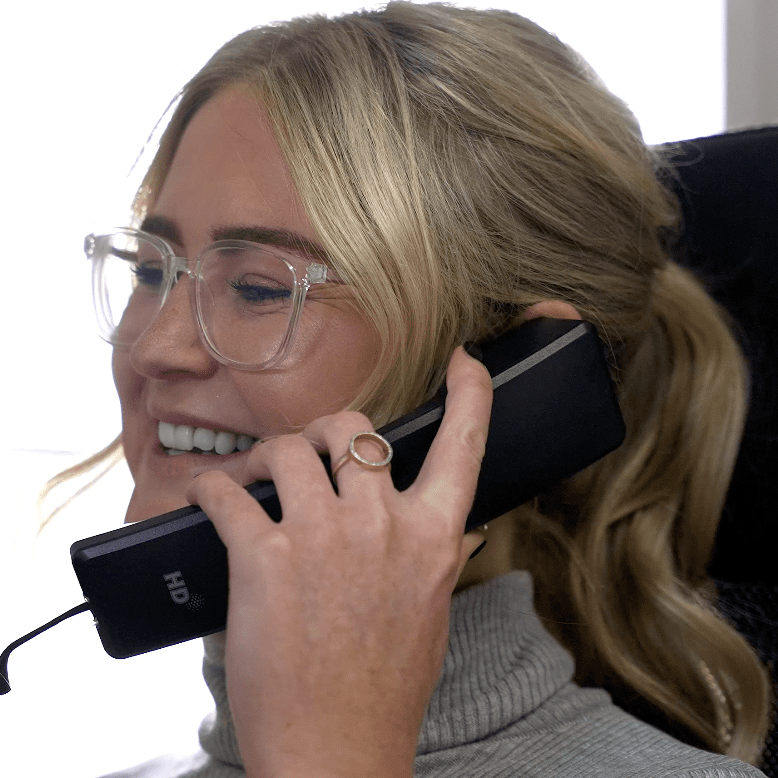
Next up in the hot seat is our incredible CEO Mel
Can you tell us a bit about your role at DPAS?
I’m the CEO at the Data Privacy Advisory Service. I am responsible for making sure the business is running smoothly, our staff are happy and our clients are receiving top notch service.
What does your average day look like at DPAS?
I have no average days, every day is different! Being responsible for everything at DPAS, I have to wear numerous hats to deal with anything that comes my way.
Usually I spend my day managing our ongoing projects and liaising with our consultants to ensure that they are on track. I have multiple daily meetings with staff, clients, prospective clients, everyone and anyone. Aside from my other daily tasks, my job is to make sure my staff are happy because they are the ones that keep our business running.
What attracted you to DPAS?
Well when I joined, there was no DPAS. I’ve always been interested in running a business, I like to be super busy and I enjoy the challenge of learning new things. I love that Nigel and I have created this amazing little Devon business which is Internationally recognised and has grown hugely in the past few years.
What do you do in your personal life?
My main passion is skiing, I’ve done a ski season in France and New Zealand and I also worked in Lapland. I also love being out on the water in the summer and attempting to wakeboard.
What’s one achievement you’d like to accomplish (work or personal) in the next 5 years?
I’d like to continue learning and gain enough confidence to speak publicly at events about being a young, female, CEO in a male dominated industry. I’m hoping to inspire the future generation of women leaders in business and predominantly data protection (of course).
What’s the best place you’d ever been to?
New Zealand – I absolutely love the place. You can surf, ski, party – any adrenaline-inducing activity you can think of. Annoyingly it’s pretty much as far away as you can get from the UK, so visiting isn’t easy.
If you were stranded on a desert island, what three items would you bring?
My dog (does she count as an item?), my phone and a phone charger.
Do you have any predictions about the future of data protection? (or) In your opinion, what are the main challenges currently facing the Data Protection sector?
I think the future of data protection is really exciting. We’ve seen a lot of change in the past few years since the GDPR was introduced. I think the evolution of AI is amazing, albeit a little scary. I think data protection laws will likely play an important role in shaping the future of AI and the way that AI systems are developed, deployed, and used.
You can meet the rest of our team, or check out our other staff profiles on Alex and Jack, Emma, Natalie and Charlotte.