As Data Protection Officer (DPO) for a large Cancer Charity, there are some definite challenges. One of the biggest challenge I face is the intellectual battle between emotion and my role. What does emotional intelligence mean in data protection?
In 2005, diagnosed with cancer and supported by said charity, I quickly developed a number of different skills. Being able to switch off my emotions and look pragmatically at the problem was one. I had to be able to consider the intention of the legislation, the risks to the data subjects, alongside the outcomes they are trying to achieve.
Being involved in professional sport, the clarity a referee gives to players from understanding the game is crucial. Understanding the players and what they want out from it ensures that the experience is positive.
This provides a better experience than a referee who knows the rules backwards, but has no practical experience in playing at any level.
A DPO without the operational knowledge faces the same challenge.
Conflicting Emotions
Balancing conflicting personal and business emotions is one which is developed and learnt. In my case, I have been taught by 35 years of operational experience. Working across different industries, moaned at by MPs, bombed by terrorists, and managing people in environments where delivery was the key – this all taught me something.
The good DPOs of the future need that rounded experience. They need to become people who understand the operations of the organisation. Being able to make decisions based upon analysis and facts is crucial.
The best advice I can give to any aspiring DPO is: learn the legal framework and requirements, take yourself out of your comfort zone, get some operational knowledge and start to think, how can we make this work for them and you.
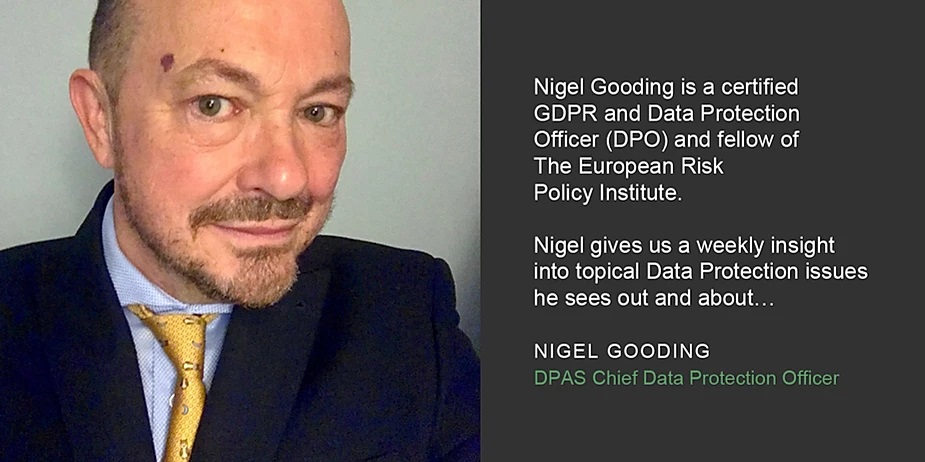
Written by Nigel Gooding, Founder & CEO of Data Privacy Advisory Service.